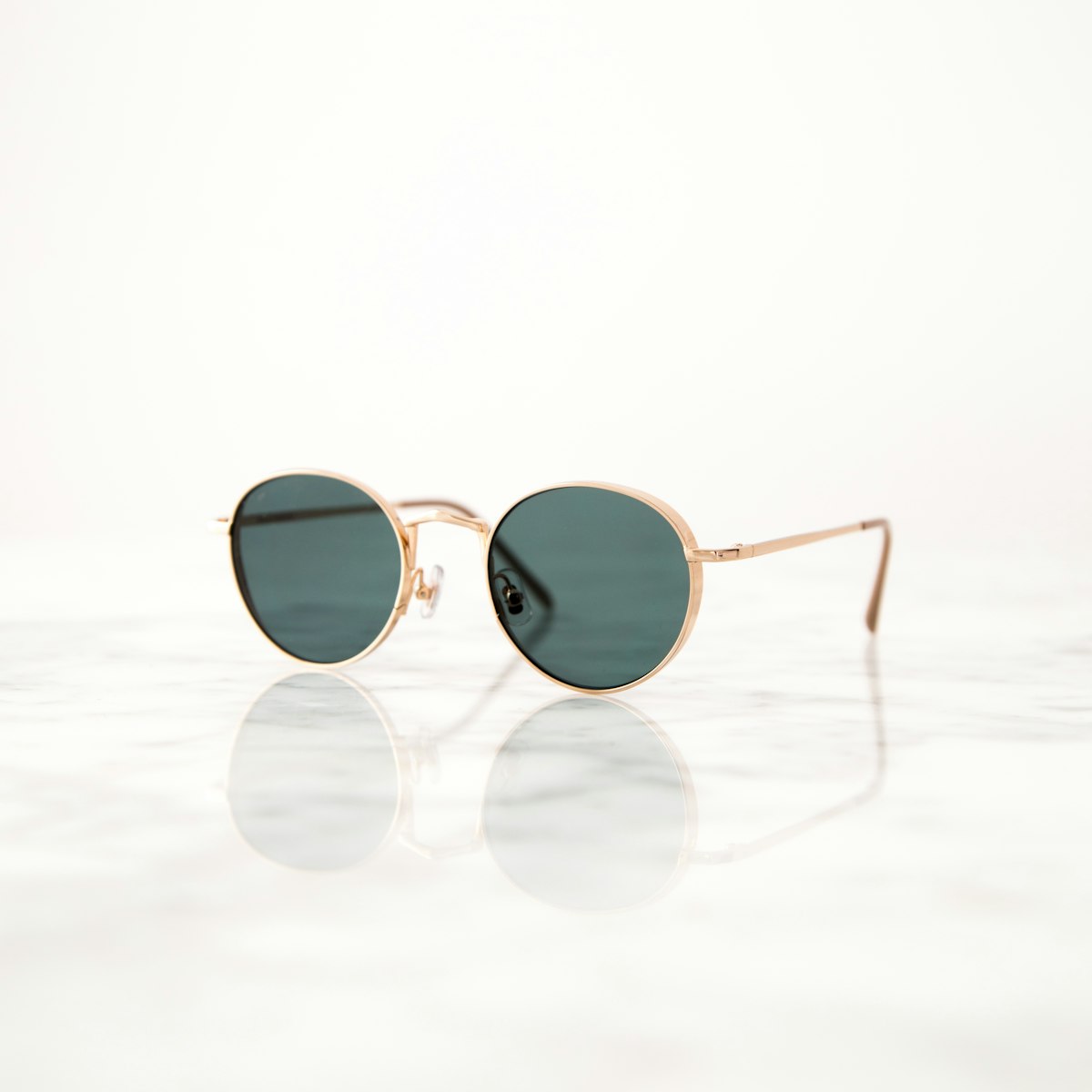
Thinking about launching your own eyewear brand? This guide breaks down the four main logo customization techniques used in professional eyewear production — and how to choose the right one for your brand positioning.
Why Private Label Eyewear Is a Smart Move for Growing Brands
For boutique retailers, online sellers, and regional distributors across Europe and North America, private label eyewear represents one of the most effective ways to build brand equity while maintaining competitive margins. Rather than reselling generic styles under a supplier's name, private labeling allows you to present a cohesive collection under your own identity — with your logo, your packaging, and your story.
The process begins with a single decision that many buyers underestimate: how your logo is applied to the frame. This choice affects not only the visual result but also the durability, the production timeline, and — most importantly — how your brand is perceived at the point of sale. At JingTop Eyewear, our production coordination team works with clients to select the most suitable customization method based on their frame material, brand aesthetic, and collection positioning.
The Four Main Logo Customization Methods
Professional eyewear production offers four established techniques for applying brand logos to frames. Each has distinct visual characteristics and is better suited to particular materials and brand styles.
1. Hot Stamping (Hot Foil Printing)
Hot stamping is one of the most widely used logo application methods in the eyewear industry, particularly for acetate frames. The process uses a heated metal die to press a metallic or pigmented foil onto the temple surface, creating a crisp, raised-effect logo with a premium metallic finish. Gold and silver are the most common foil colors, though custom colors are available.
This method is especially well-suited to brands that want high visibility and a luxury feel. The metallic sheen catches the light and creates an immediate impression of quality. It works best on flat or gently curved temple surfaces, making it a natural fit for classic acetate frames. For brands targeting mid-to-premium retail price points, hot stamping is often the first choice.
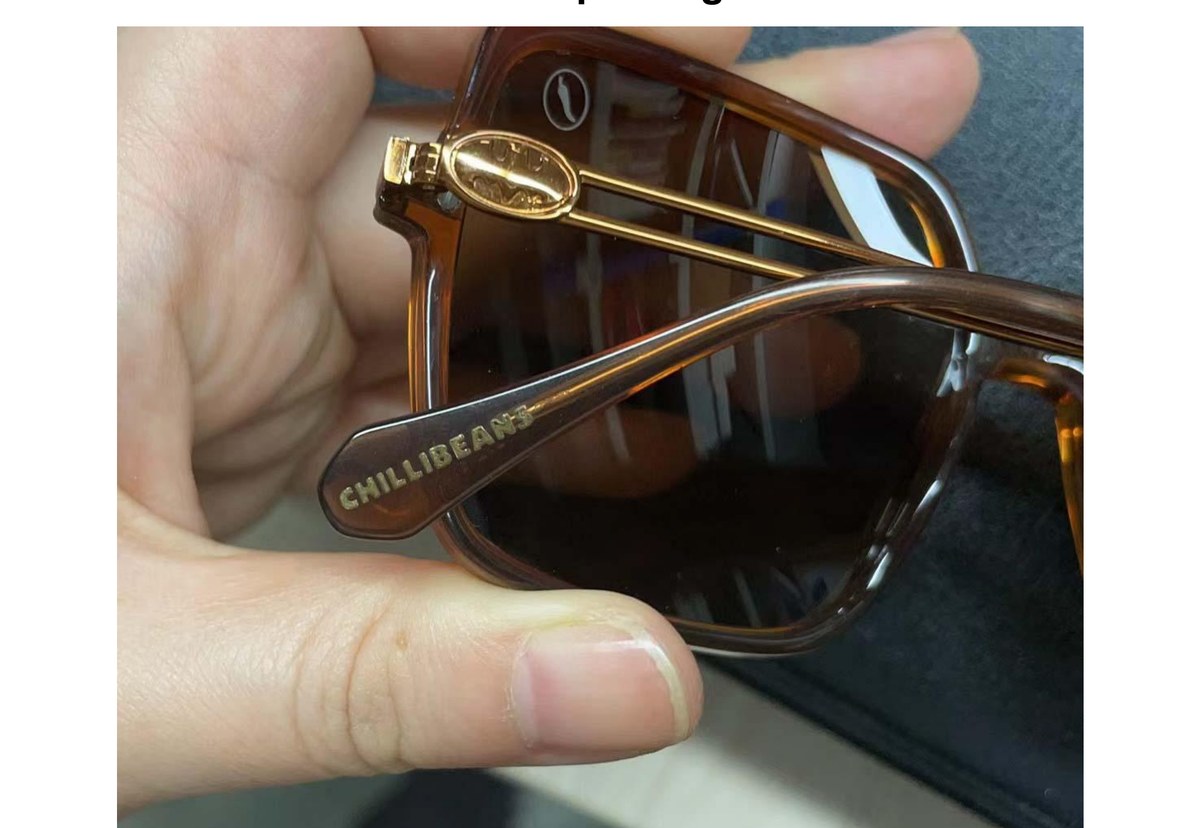
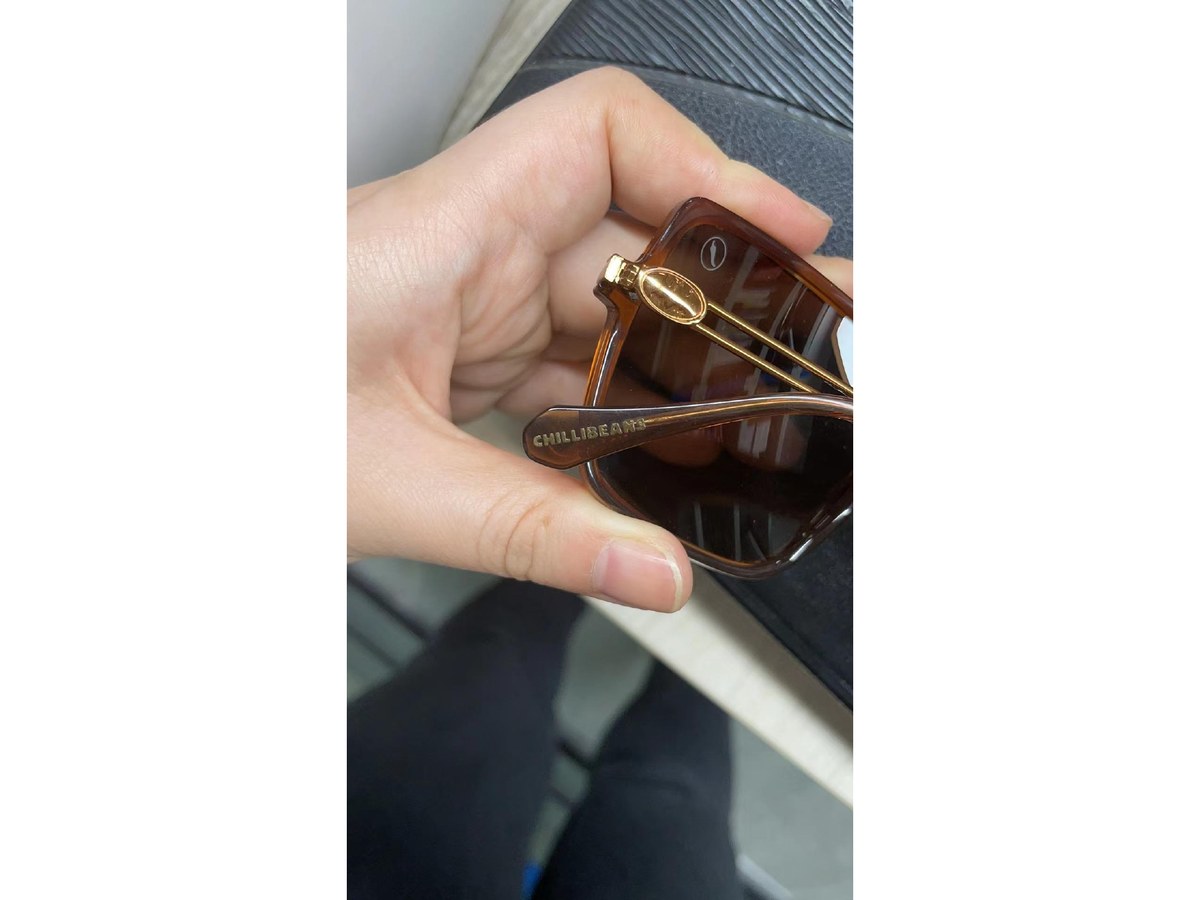
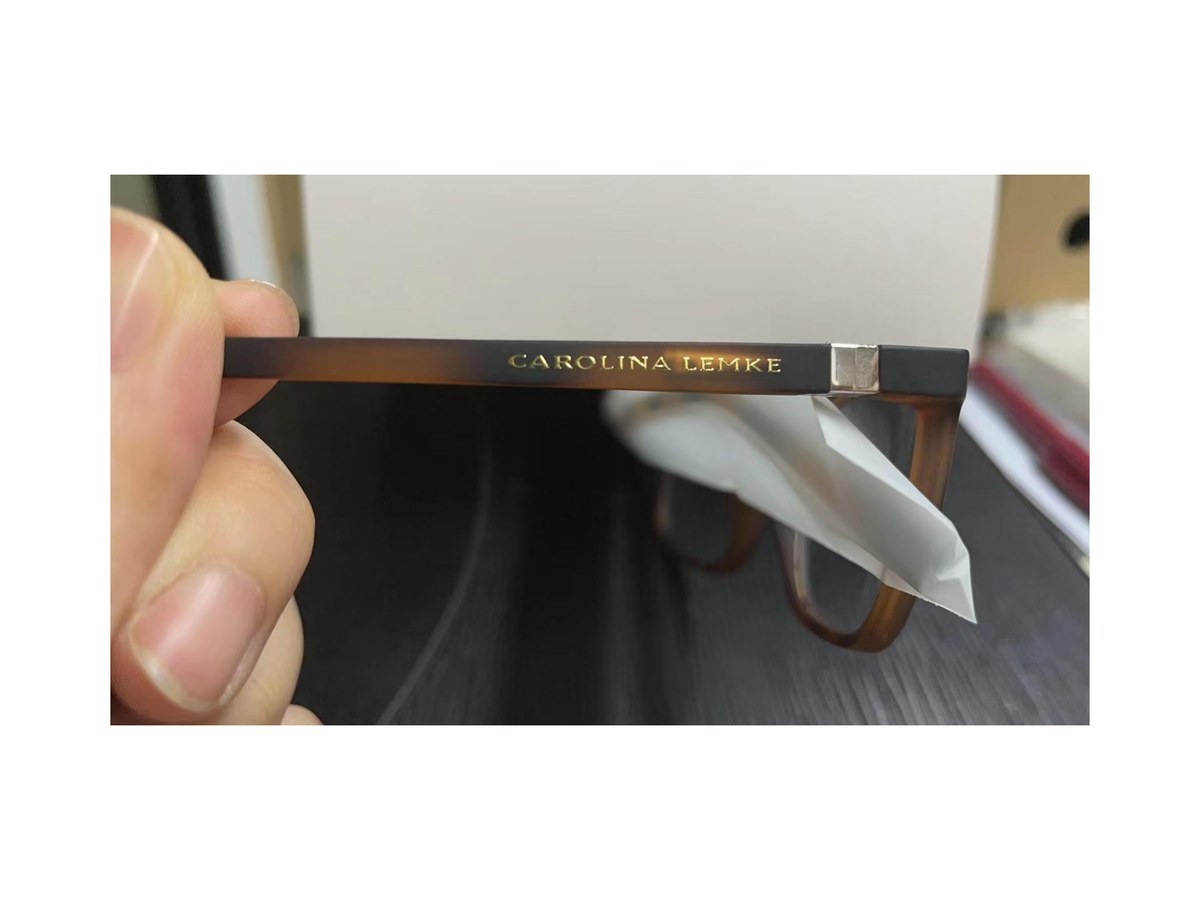
Hot stamping samples: gold foil logo on acetate temples.
2. Silk Screen Printing
Silk screen printing applies ink directly to the frame surface through a fine mesh stencil, producing a clean, flat logo in virtually any color. Unlike hot stamping, silk printing is not limited to metallic finishes — it can render logos in white, black, or any brand color with consistent accuracy.
This technique is particularly effective on slim metal temples and matte-finish acetate, where a subtle, tonal logo creates a refined, understated effect. Brands with a minimalist or contemporary aesthetic often prefer silk printing for its ability to integrate the logo into the frame design rather than making it a focal point. It is also a practical choice when logo placement needs to accommodate a longer brand name or a more complex wordmark.
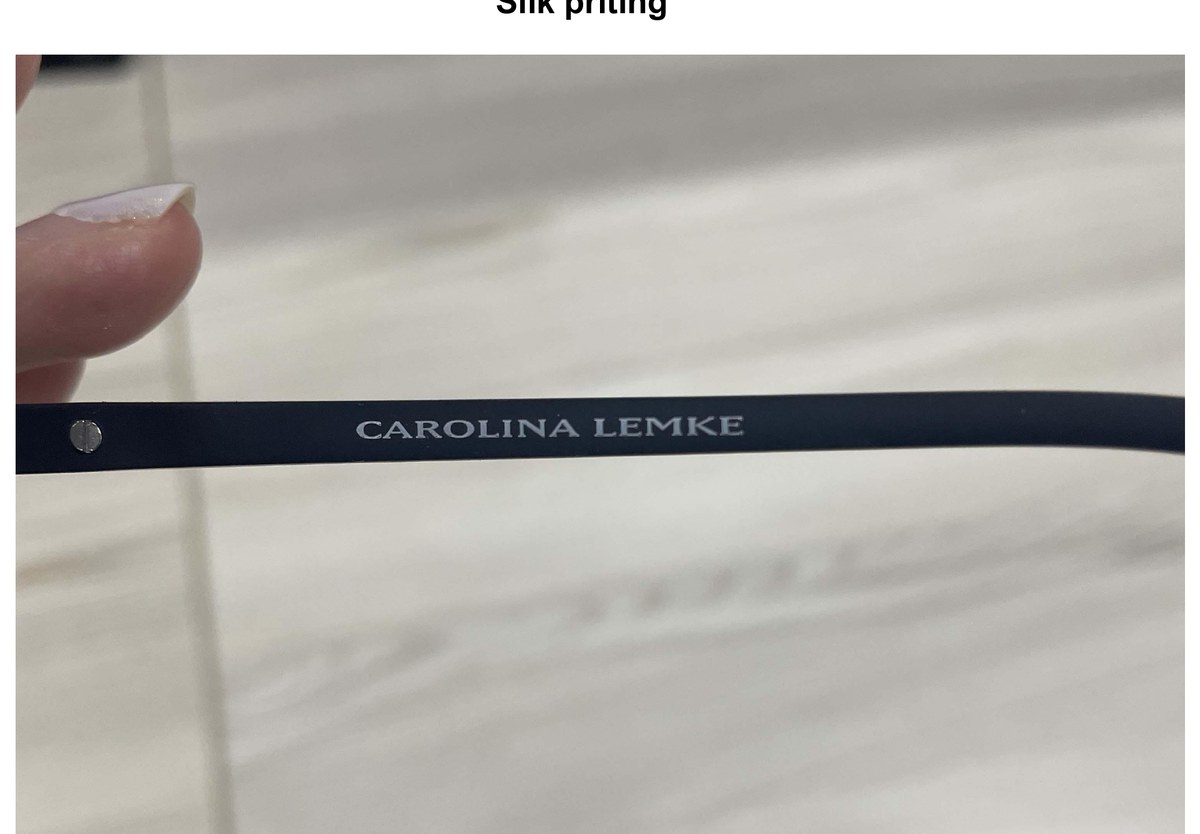
Silk printing samples: flat logo on slim metal and acetate temples.
3. Laser Engraving
Laser engraving uses a focused laser beam to etch the logo directly into the frame material, removing a thin layer of surface coating or material to reveal a contrasting mark beneath. The result is a precise, permanent logo with a clean technical aesthetic — no ink, no foil, no risk of peeling or fading over time.
Laser engraving is versatile in terms of placement: it can be applied to both temple surfaces and, in some designs, directly onto the lens. It is particularly popular for metal frames and for brands that want a discreet, high-precision logo that speaks to quality without being visually dominant. Outdoor, sport, and premium optical brands frequently choose laser engraving for its durability and understated sophistication.
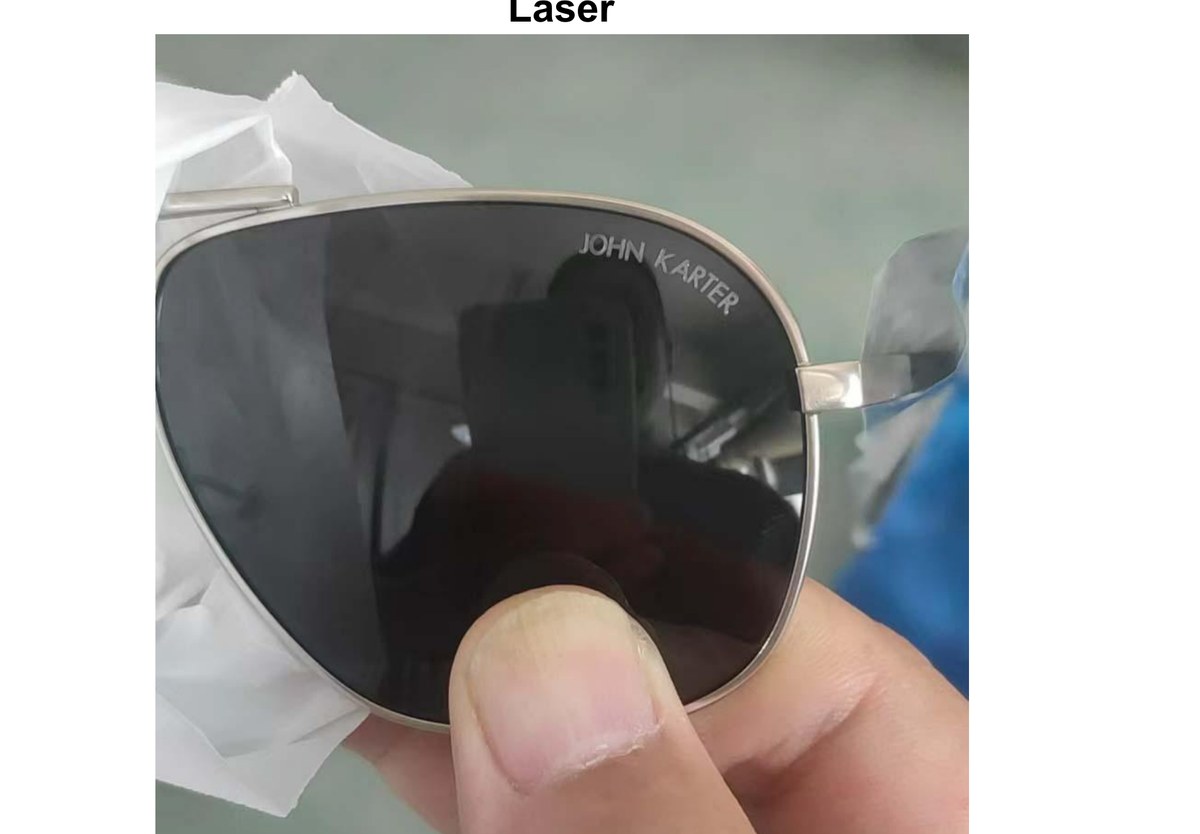
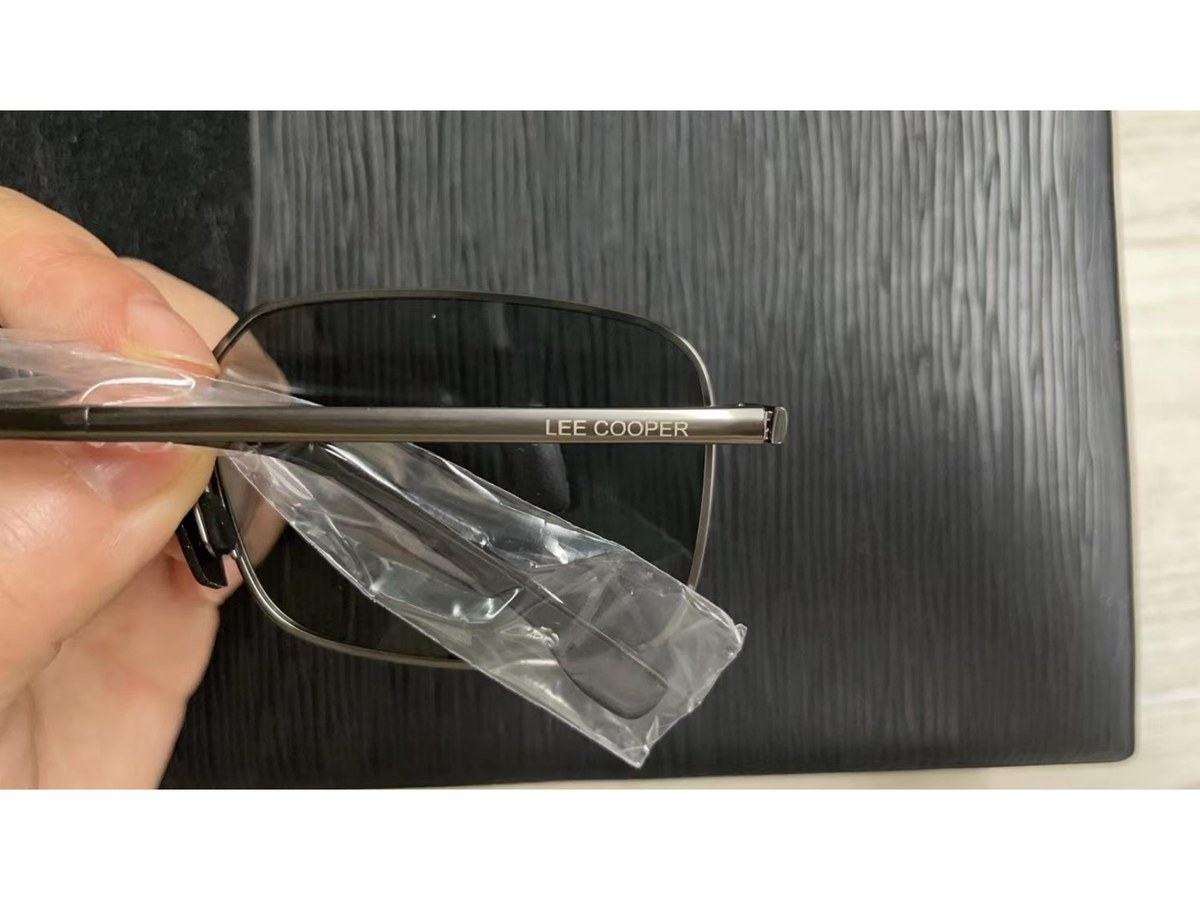
Laser engraving samples: etched logo on lens surface and metal temple.
4. Logo in the Mould
Logo-in-the-mould is the most integrated of all customization methods. Rather than applying a logo to a finished frame, the brand name or logo is built directly into the injection mould used to produce the frame. This means the logo is physically part of the frame structure — raised or recessed into the material itself — with no risk of wear, fading, or inconsistency across production runs.
This method requires a dedicated mould investment, which makes it most appropriate for brands committing to a specific frame model over multiple seasons. The result is a fully embedded brand identity that communicates permanence and ownership. For brands building a signature collection or a hero product line, logo-in-the-mould is the most compelling long-term choice.
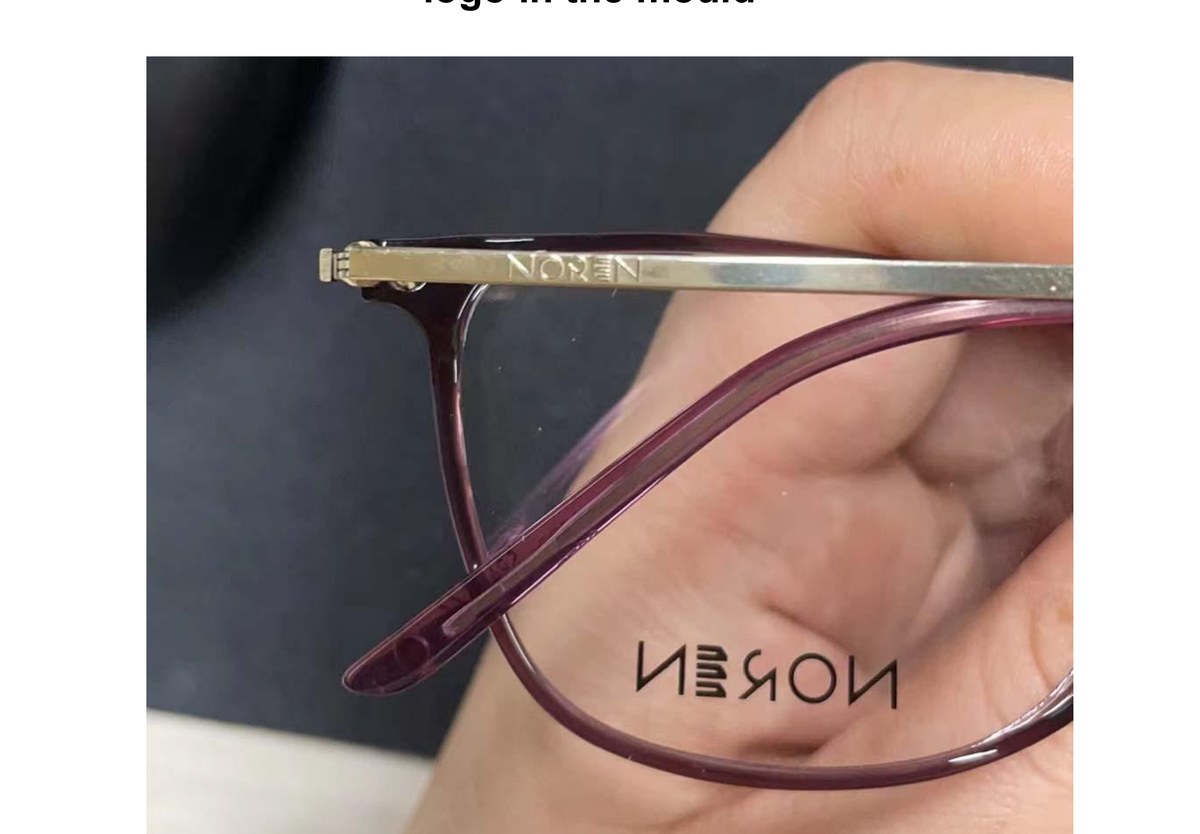
Logo-in-the-mould sample: brand name structurally embedded into the frame temple during injection moulding.
Choosing the Right Method for Your Brand
The decision between these four methods is rarely just technical — it is a brand positioning decision. The table below summarizes the key considerations:
| Method | Best For | Visual Effect | Frame Compatibility |
|---|---|---|---|
| Hot Stamping | Premium, high-visibility branding | Metallic, raised-effect finish | Acetate, thick temples |
| Silk Printing | Minimalist or color-specific logos | Flat, clean, any color | Metal, slim acetate, matte surfaces |
| Laser Engraving | Understated, durable precision | Etched, technical, permanent | Metal, acetate, lens surface |
| Logo in the Mould | Signature collections, long-term programs | Structurally embedded, no wear | Injection-moulded frames (acetate, TR90) |
In practice, many brands use more than one method across their collection — for example, hot stamping on a premium acetate line and laser engraving on a metal sport series. A production coordination partner with experience across multiple techniques can help you build a consistent brand language even when working with different frame materials and styles.
What to Prepare Before Requesting a Private Label Quote
To move efficiently from concept to production, it helps to have the following ready when approaching a sourcing partner:
First, your logo file in vector format (AI or EPS). Raster images (JPEG, PNG) are not suitable for mould or engraving work and will produce inferior results. Second, your preferred logo color and finish — gold, silver, matte black, or a custom brand color. Third, a clear indication of where on the frame you want the logo placed (outer temple, inner temple, front bridge, or lens). Finally, your target frame material and style direction, which will immediately narrow down the most compatible customization methods.
At JingTop Eyewear, our team reviews each private label brief and recommends the most appropriate logo method based on the specific frame and brand requirements — before production begins. This upstream coordination prevents costly revisions and ensures the finished product matches the brand vision.
Ready to Build Your Own Eyewear Brand?
Whether you are launching a new label, expanding an existing collection, or exploring private label for the first time, the right customization approach makes a significant difference in how your product is received at retail. Contact the JingTop team to discuss your private label requirements and request our current frame catalog — we will help you identify the right styles and logo method for your brand from the start.