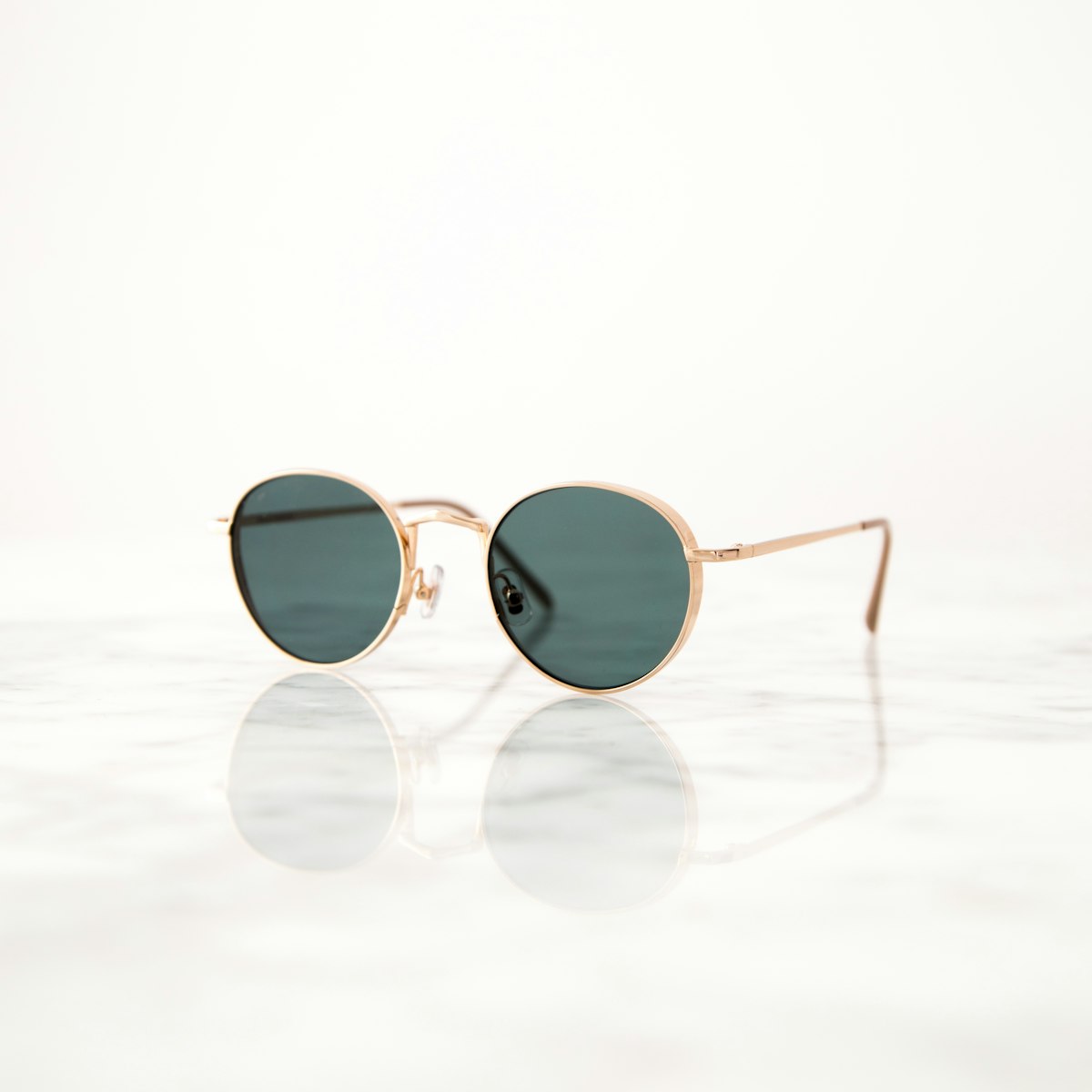
Choosing between acetate and metal frames is one of the most important decisions for any eyewear retailer. Each material has distinct advantages in terms of aesthetics, durability, pricing, and customer appeal. Here's what wholesale buyers need to know.
The Two Pillars of the Eyewear Market
Walk into any optical shop or browse any eyewear e-commerce site, and you'll find the inventory dominated by two material categories: acetate and metal. Together, they account for the vast majority of wholesale optical frame sales worldwide. Understanding the strengths and limitations of each is essential for building a product mix that satisfies your customers and maximizes your sell-through rate.
Acetate Frames: The Designer's Choice
Acetate (also called cellulose acetate) is a plant-based plastic derived from cotton and wood pulp. It's the material of choice for fashion-forward eyewear brands, and for good reason:
- Rich color depth: Acetate can be layered, marbled, and patterned in ways that no other frame material can match. The color runs through the entire material, not just on the surface.
- Adjustability: Opticians can heat acetate frames to adjust the fit, making them practical for prescription eyewear.
- Hypoallergenic: Acetate is generally well-tolerated by people with metal sensitivities.
- Premium perception: Customers associate thick acetate frames with designer quality, allowing for higher retail price points.
The main trade-offs are weight (acetate is heavier than metal or TR90) and susceptibility to warping under extreme heat. For boutique retailers targeting fashion-conscious adults, acetate is typically the strongest seller.
Metal Frames: The Precision Choice
Metal frames — typically made from stainless steel, titanium, or aluminum alloys — offer a different set of advantages:
- Lightweight comfort: Metal frames are significantly lighter than acetate, making them preferred for all-day wear.
- Slim profile: The structural strength of metal allows for thinner, more minimalist designs — ideal for professional and business-casual aesthetics.
- Durability: High-quality stainless steel frames resist corrosion and maintain their shape over years of use.
- Versatility: Metal frames work across age groups and style preferences, from classic round wire frames to modern geometric shapes.
Titanium frames represent the premium tier of metal eyewear — ultra-light, hypoallergenic, and extremely durable. They command higher wholesale prices but also support higher retail margins.
Comparing the Two: A Quick Reference
| Feature | Acetate | Metal |
|---|---|---|
| Weight | Medium–Heavy | Light–Very Light |
| Color Options | Unlimited (layered, patterned) | Limited (coatings, plating) |
| Adjustability | Excellent (heat-adjustable) | Good (bendable temples) |
| Durability | Good | Excellent |
| Style Appeal | Fashion, Designer | Professional, Minimalist |
| Price Range | Mid–High | Mid–Very High (titanium) |
What Should Your Store Stock?
For most small eyewear retailers, the answer is both — with a ratio that reflects your customer base. A boutique targeting creative professionals might lean 70% acetate, 30% metal. A shop near a business district might reverse that ratio. Cross-border sellers targeting multiple markets benefit from a balanced mix that covers different aesthetic preferences.
JingTop Eyewear offers wholesale optical frames in both acetate and metal across a range of styles, with low MOQ starting at 10 pieces per style. Browse our optical collection or request our full catalog to see the complete range.